

Door Hinges Repair
The creaking or groaning sound of hinges on doors is a clear sign they require repair. In most cases, a bit of lubrication is all it takes to repair the hinge's functionality.
Start by taking the hinge that is loose from the frame and jamb. Place a piece of wood beneath the hinge to help it while you take it off.
Rust
It could be caused by continuous exposure to moisture or simply by the aging process, rust can eat away at hinges made of metal. A hinge that has rust is unpleasant and doesn't work properly, but it also poses a risk to safety. Depending on how severe the corrosion is, it could cause the hinge to break or become unsafe to use. Cleaning and lubricating hinges that have rust can save the cost of repairs and also make your door look more attractive.
There are many ways to repair a hinge that is rusted, but the first thing to do is to determine the degree of corrosion. A visual inspection is typically enough to see how much the rust has accumulated. Surface rust is unsightly but is still functional, while deep rust could have eaten away at the metal and is not safe to use.
If you only notice superficial rust, lubricating your hinge can be enough to make it work again. There are a range of lubricants like penetrating oil or silicone spray, as well as white lithium grease. You can scrub the hinges using steel wool and detergent for a more thorough cleaning. To prevent further corrosion you can apply an additional coat of rust inhibitor.
To do this, you'll need an electric drill and a set of wrenches or an ratchet and socket. Remove the bolt and nut securing the hinge to the door. Remove the remaining rust using the hand or power drill equipped with a grinder wheel made of metal.
To avoid a more aggressive approach, you can soak the hinge in cola. The acidity in the beverage will take away some of the rust and help loosen it. To get a thorough cleaning, try rubbing the hinge with steel wool and then soaking it in vinegar.
Making sure you prevent the appearance of rust on door hinges is the most effective way to keep them in good condition and working at their best. This means selecting hinges made from materials that aren't susceptible to corrosion, such as brass. You should also regularly inspect your doors to look for signs of wear, so that you can catch any problems before they get serious.
Damage
It's not shocking to see door hinges get damaged over time, given that they are subjected to constant movement and are able to carry a lot. Damage to hinges, whether due to regular use or from external elements such as weather can cause a variety of issues ranging from squeaking and the misalignment of doors. It is important to check your hinges regularly and repair them if you see any signs.
Applying lubricant to the pin slots will stop your hinges from making a loud noise. Applying a few drops white lithium grease or light machine oil to areas that are prone to squeaks can help to reduce friction. You can also use a dry lubricant like sawdust or hot wax from a candle for the desired outcome.
It's also essential to check that the screws securing the hinge plates to the frame and door aren't damaged or stripped. Doors that squeak are usually caused by loose screws. You can tighten these screws with a screwdriver. If the squeaking persists then you could try filling the holes with wood putty and epoxy to give the screws a better grip.
Another issue that is commonly found in door hinges is a split or damaged pin. If your pin is cracked or split, you can repair it by drilling into the hinge plate a new hole and attaching a wooden stick with carpenter’s glue. Once the glue has dried it is time to screw in the dowel.
If your hinges are damaged or not aligned properly, they can impact the look and function of your home. repair door frame hinge side could also cause other issues, such as damaged locks or doorknobs. Fortunately, the majority of hinge-related issues can be fixed by tightening loose screws or shimming hinges to correct the misalignment. It's also possible to replace damaged hinges completely with new hinges. This requires more time and effort, but it can be done with care and attention to details.
Stripped Holes
The screws used to join the hinges to doors typically have holes that are stripped of screw. This means that the screw's thread engagement has deteriorated due to repeated use or exposure to weather conditions. The result is that the screw is no longer secure holds the hinge in place, making it loose and potentially causing damage to the wood. There are a variety of methods to fix the stripped screws on hinged doors without having to remove the door from the frame. Some of these include using toothpicks, golf tees or screw anchors. Other options include drilling new pilots into old screwholes and then using wood adhesive to fill in the hole.
To repair holes that are stripped of screws on a door hinge first clean the hinge and apply wood filler to it. Let the filler dry completely before sanding it to create a smooth finish. Then, drill pilot holes in the areas that have been filled with a bit size that matches the screws used for your door hinges.
You will then need to locate the correct size dowels to fit into your broken screw holes on a hinge. These can be purchased in a home improvement shop or on the internet. It is essential to measure the depth of the holes to make sure that the dowels fit correctly. Ideally dowels should be in a straight line with the hinge opening to ensure that the hinge sits properly when it is it is reattached.
Apply yellow carpenter glue on both ends of the dowels, then place them in the holes of the stripped screws on the door hinge. Depending on the type of glue you use it can take up to 24 hours for the glue to set. After that, you can reinstall the screws and check the hinge to make sure it's solid and correctly aligned.
Regularly cleaning your hinges for doors will make them appear and function at their best for a long time. If you spot any indications that your door hinges are getting worn out, take note of them to address them before the problem worsens. A properly functioning door hinges will save your time and money in the long run.
Loose Screws
The hinges that attach the door to the frame are working hard every time you open or close the door. Over time, this constant use can cause the hinges to loosen. Many hinge problems can be solved by tightening the screws.
There are a variety of ways to fix the problem when the screw holes are stripped and aren't tight enough. Wood putty is a great option for filling the hole. Plastic wood is particularly efficient. The putty is pushed into the hole by a small dowel or nail. Allow it to dry completely. A slightly longer screw can be replaced by a shorter one. The longer length of the screw allows it to bite into the new wood at the rear of the screw hole.
Installing an extra hinge may be required if your door is loaded. This will help distribute the weight evenly. It's important to consult an expert who can offer the most effective solution in this case.
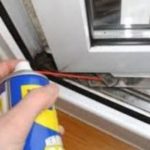
Lubricating your hinges regularly is an excellent preventative measure. It decreases friction between hinge pins and knuckles, which prevents them from becoming stiff or noisy. This is an easy job which can be accomplished using a drop of mineral oil or Jojoba oil as well as an aerosol lubricant spray or a simple grease pencil.
The majority of door hinge issues are easy to fix and don't take a lot of effort or specialized tools. However, if your hinges are terribly damaged or loose, it's best to call in a professional. They can assess the situation and recommend a thorough repair plan that will bring your doors back to functioning condition. They can also help you in choosing the appropriate hinges and installing them correctly. This will ensure that your doors are safe and secure and will last for a long time to come.